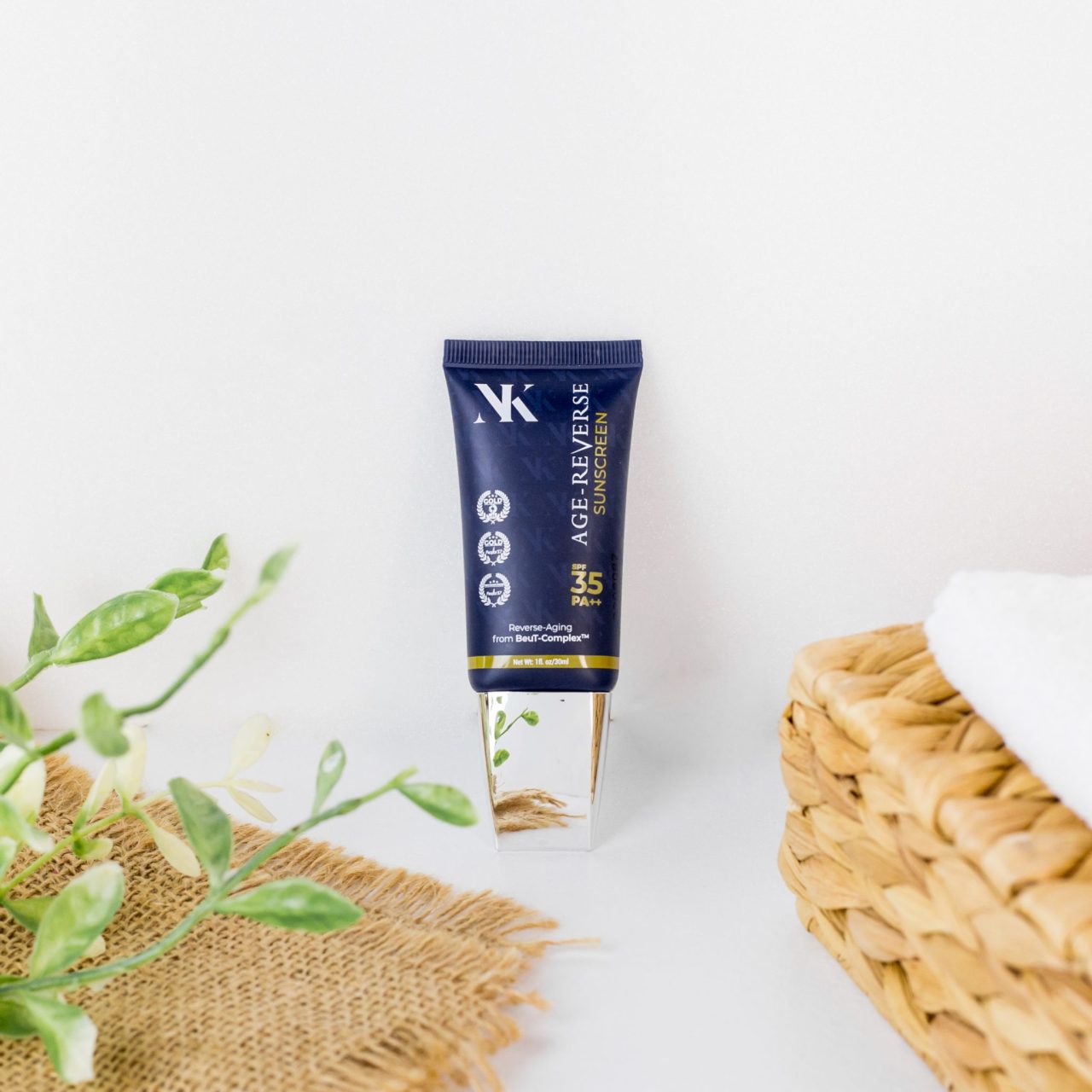
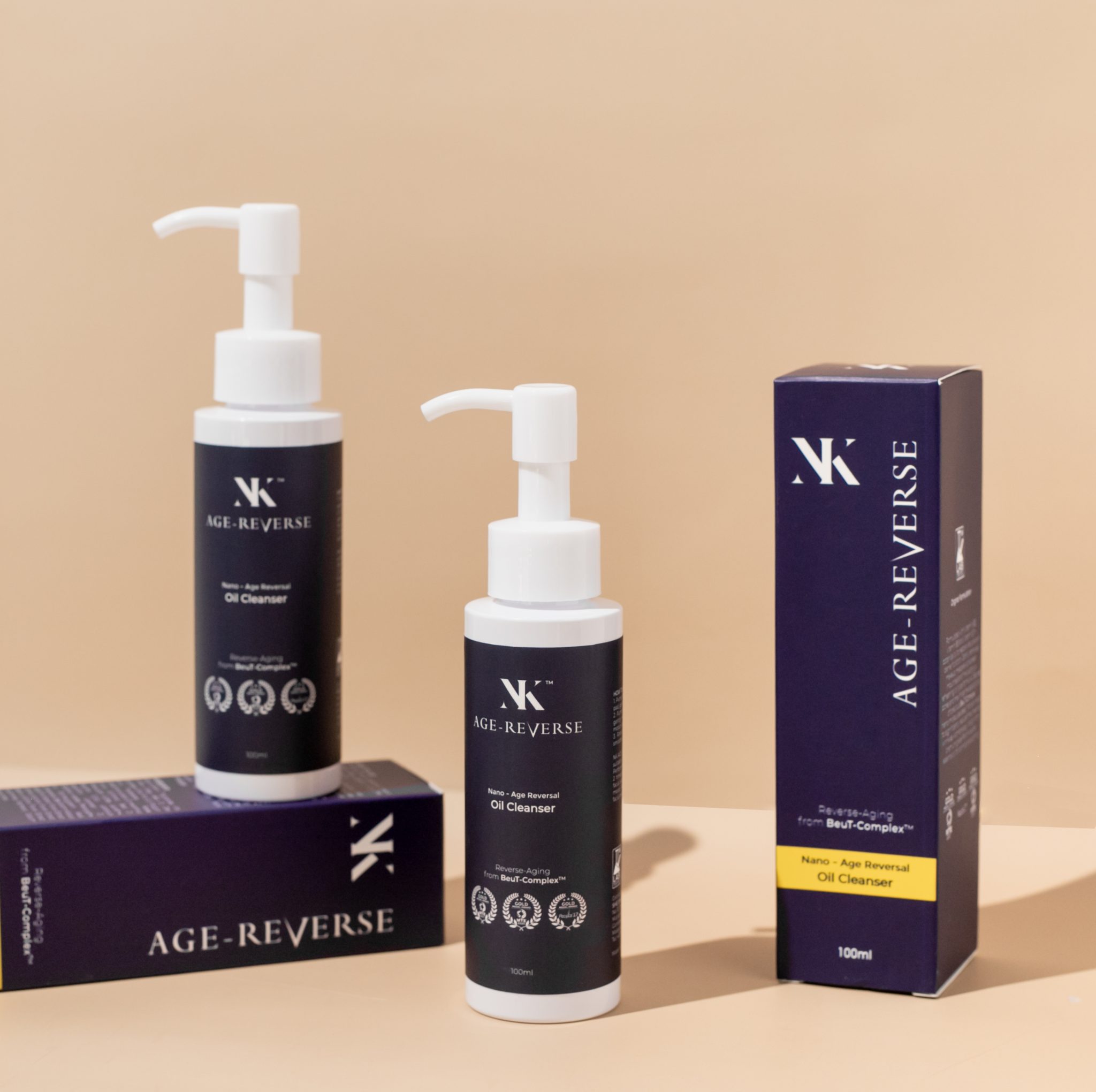
The topic of facial cleansing after the use of sunscreen and makeup continues to raise questions among users. One common concern is whether washing the face with water alone is sufficient after applying sunscreen or foundation.
Scientifically, sunscreen and most makeup products contain an oil phase, which is a fundamental component of their formulation. The oil phase is essential for product stability, performance, and skin compatibility. Therefore, it is practically impossible to formulate an effective sunscreen without incorporating an oil phase.
A simple analogy can be made: when oil comes into contact with the hands, rinsing with water alone is insufficient to remove it completely without the use of soap or a cleansing agent. The same principle applies to facial skin when oil-based cosmetic products remain on the surface.
From a religious perspective, particularly in ensuring the validity and completeness of ablution (wudu’), it is essential that no residual oil layer obstructs water from directly reaching the skin. If sunscreen or makeup residue remains due to inadequate cleansing, it raises concerns about whether water truly reaches all areas of the skin during ablution.
Terms such as “wudu’-friendly,” “prayer-friendly,” or “easy to rinse” do not change the fundamental reality that most sunscreens, foundations, and powders contain an oil phase that requires proper cleansing to be fully removed.
Therefore, for Muslim women, thorough facial cleansing before performing ablution should be viewed as a necessary practice, rather than an inconvenience. Using appropriate cleansers or makeup removers can simplify this process, especially for those who wear heavier makeup.
From an ethical standpoint, sellers and marketers should avoid misleading claims or exaggerated statements. Transparency is crucial, as inaccurate information may affect religious practices and the trust placed by consumers.
CREDIT: Prof. Dr. Siti Hamidah
PREPARED BY : SHAI